
Plum, PA Boat Salvage & Marine Recovery
Boat salvage Plum PA should start with an honest evaluation, not guesswork. Triple A Boat Services inspects storm-hit hulls, abandoned vessels, and damaged boats around Plum, then recommends recovery, dismantling, parts resale, or disposal. We look at access, value, safety, and paperwork before anything moves.
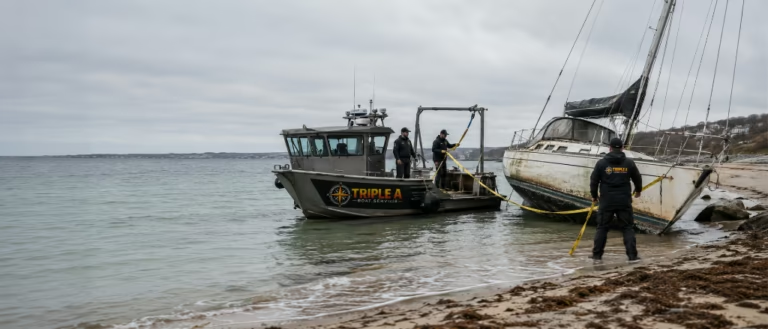
Marine Salvage Evaluation in Plum, PA
Salvage is the decision stage before removal. We check condition, engines, electronics, hull integrity, fuel risk, and access. Then we tell you whether the vessel is worth recovering, parting out, or clearing away.
Value, Parts, and Recovery Options
Some vessels still have value in outboards, controls, hardware, trailers, electronics, T-tops, and rigging. Others are too far gone. We compare possible parts value against labor, equipment, hauling, and disposal costs so you get a practical answer.

Storm-Hit Hulls and Abandoned Vessels
Allegheny County weather can leave craft sunk at slips, pushed into seawalls, or stranded in yards. We check fluid leaks, structural failure, and whether the hull can be stabilized safely before recommending the next step.
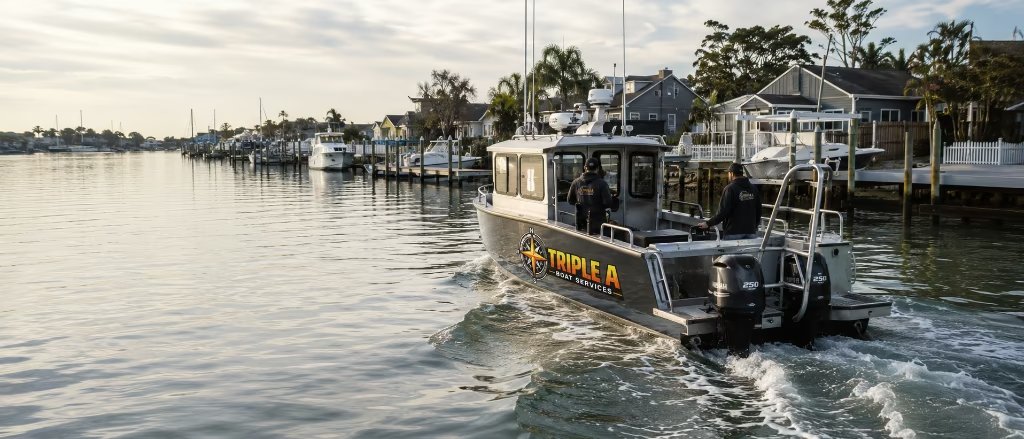
Waterfront Access Around Plum
Access often decides the plan. Private docks, marinas, canals, storage yards, and narrow side yards all require different equipment. We review depth, tide, gate width, clearance, and staging space before recovery begins.

Recover, Dismantle, or Dispose
The right outcome depends on value and risk. A recoverable vessel may be stabilized and hauled for repair. A poor-condition hull may be stripped for usable parts, then sent to responsible disposal. We keep the plan simple and realistic.
Fishing Craft and Small Hulls
Fishing rigs, skiffs, pontoons, and compact cruisers often carry reusable components even when the structure is finished. We identify anything worth keeping so useful gear is not wasted.
Why Local Owners Choose Triple A Boat Services
Plum owners, marina managers, and waterfront property teams call us when they need a clear answer. Triple A Boat Services gives direct guidance, explains costs upfront, and protects the surrounding property during recovery.
Boat Removal Nearby
Frequently Asked Questions
Request an Estimate
Licensed & Insured • Direct response from our team
Ready to Remove Your Boat?
Need a Plum salvage evaluation? Send photos for a clear plan before any recovery work starts.