
Salvage Evaluation and Recovery Planning
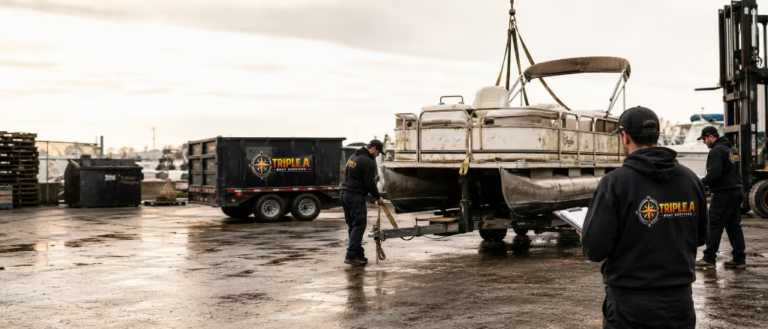
Every job begins with a salvage evaluation. We review photos or visit the site, then map out how the vessel gets recovered safely. A boat half-submerged at a dock needs a different approach than a derelict motorboat dry on a storage lot. Recovery planning accounts for access, weight, water conditions on inland lakes and rivers, and how the hull will be moved once it is freed. Clark County and Washoe County see the bulk of this work, given the boating traffic around their reservoirs and marinas.

Parts Value Versus Disposal
Not every boat is worth saving, and not every boat is pure junk. Triple A Boat Services separates the two by checking salvage value against the cost of recovery and transport. Outboards, hardware, and electronics often have a market even when the fiberglass does not. If parts value is low, we shift to responsible dismantling and eco-friendly disposal instead. You get a straight recommendation either way, not a sales pitch built around one outcome.
Vessels and Locations We Handle
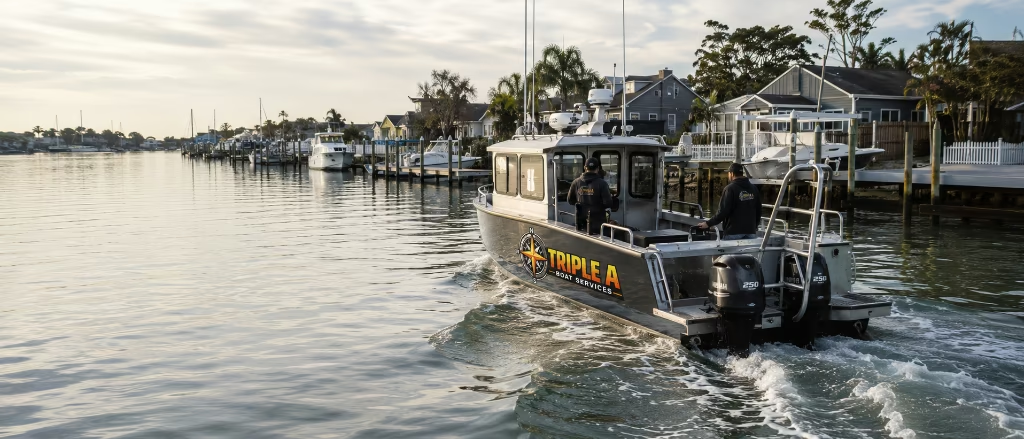
Sailboats, fishing boats, catamarans, cabin cruisers, and large yachts all come through Nevada salvage work in different conditions. We recover boats from waterfront property, private driveways, backyards, trailers, and marina slips alike. Whether the vessel is in Henderson, Reno, Enterprise, Spring Valley, Sunrise Manor, North Las Vegas, or Paradise, the process stays the same: evaluate, plan, and execute. Abandoned and non-running boats that have not moved in years are some of the most common calls we take.
Dismantling and Responsible Recycling
When a hull reaches the end, dismantling is done methodically. Fluids and batteries are pulled, salvageable metals and components are separated, and the remaining material is routed toward boat recycling rather than a landfill where possible. This keeps marine disposal cleaner and gives owners a clear conscience about how their old boat is handled. The same crew that planned the recovery sees the dismantling through, so nothing gets lost between steps.

Getting a Quote and Next Steps
Most owners start with a photo-based quote. A few clear pictures of the vessel, its location, and any damage let us estimate recovery and salvage potential before anyone drives out. There is no charge for that first quote, and the pricing reflects access difficulty, vessel size, and whether parts offset disposal. From there, we schedule pickup, transport, and the final dismantle or dispose decision around your timeline.